

Penetrating Damp Survey in South Wales: What You Need to Know
What is Penetrating Damp?
“Penetrating damp” (also known as rain-water penetration) occurs when moisture enters a property through defects in the building fabric (walls, roof, window/door surrounds) rather than rising up from the ground.
Examples include cracked mortar, damaged roof tiles, blocked gutters, or poorly sealed window surrounds.
Because it can affect any height on the wall (not just low-level areas) it often needs specialist investigation.
Why It Matters in South Wales
Living in South Wales (Bridgend, Cardiff, Swansea, Newport and surrounding valleys), homes are exposed to frequent rainfall and strong coastal winds. Properties with older solid walls, ageing pointing or porous masonry are particularly vulnerable.
Left unchecked, penetrating damp can cause:
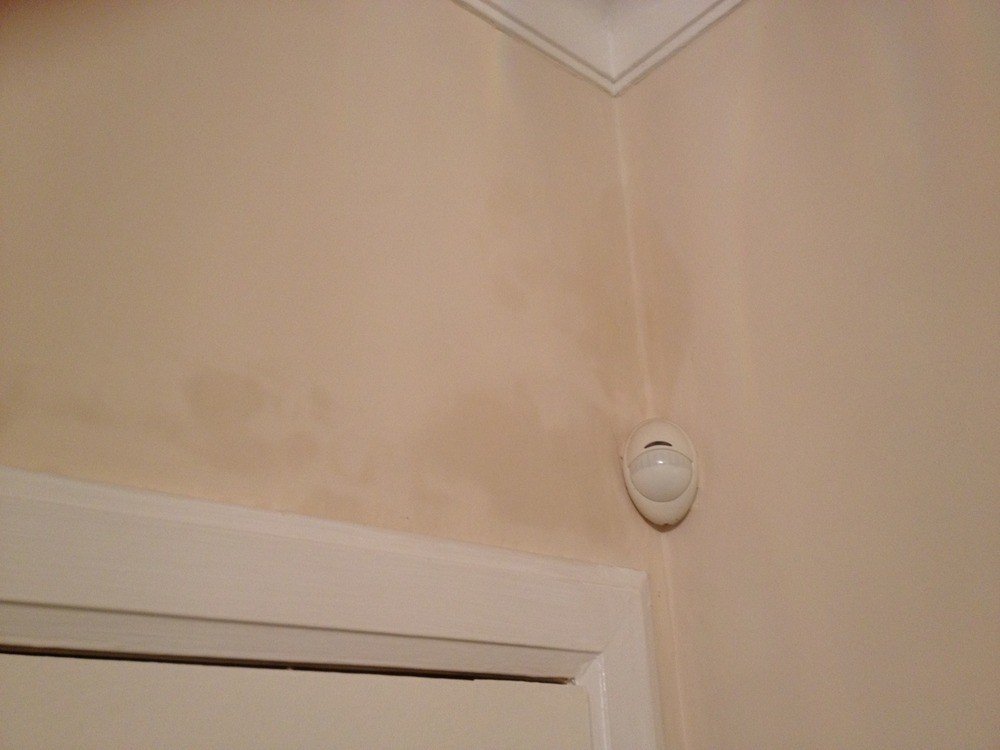
- Staining, blistering or peeling of plaster/paint
- Timber decay (wet or dry rot)
- Mould growth and musty smells
- Reduced thermal efficiency and increased heating costs
Why Choose The Veteran Survey Company
- Independent & Veteran-Owned: We’re fully independent surveyors – no tied remedial works – so our assessment is impartial and in your best interest.
- Local to South Wales: Based in Bridgend and operating throughout the region, we understand local building styles, materials and typical damp-moisture problems here.
- Accredited & Experienced: We follow industry best practice for damp and timber surveying (e.g., via Property Care Association guidance) so you get thorough, reliable reports.
- Clear Reporting & Actionable Advice: After the survey you’ll receive a comprehensive report with findings, photographic evidence, moisture readings, likely causes and a clear course of action (whether simple maintenance or more extensive remedial work).
What Our Penetrating Damp Survey Includes
When you commission a penetrating damp survey from us, you get:
- External Inspection
- Roof coverings, flashings, gutters and downpipes – are they defective, blocked or damaged?
- Wall surfaces, pointing, mortar joints, cracks, render and masonry condition.
- Ground levels and drainage – is water being directed away from the building correctly?
- Window and door surrounds – seals, frames, sills and reveals.
- Cavity wall considerations (if applicable) – bridging, insulation issues, etc.
These checks follow recognised guidance for identifying moisture ingress faults. rics.org
- Internal Inspection
- Visual signs: damp patches, peeling paint/plaster, mould, salt deposits.
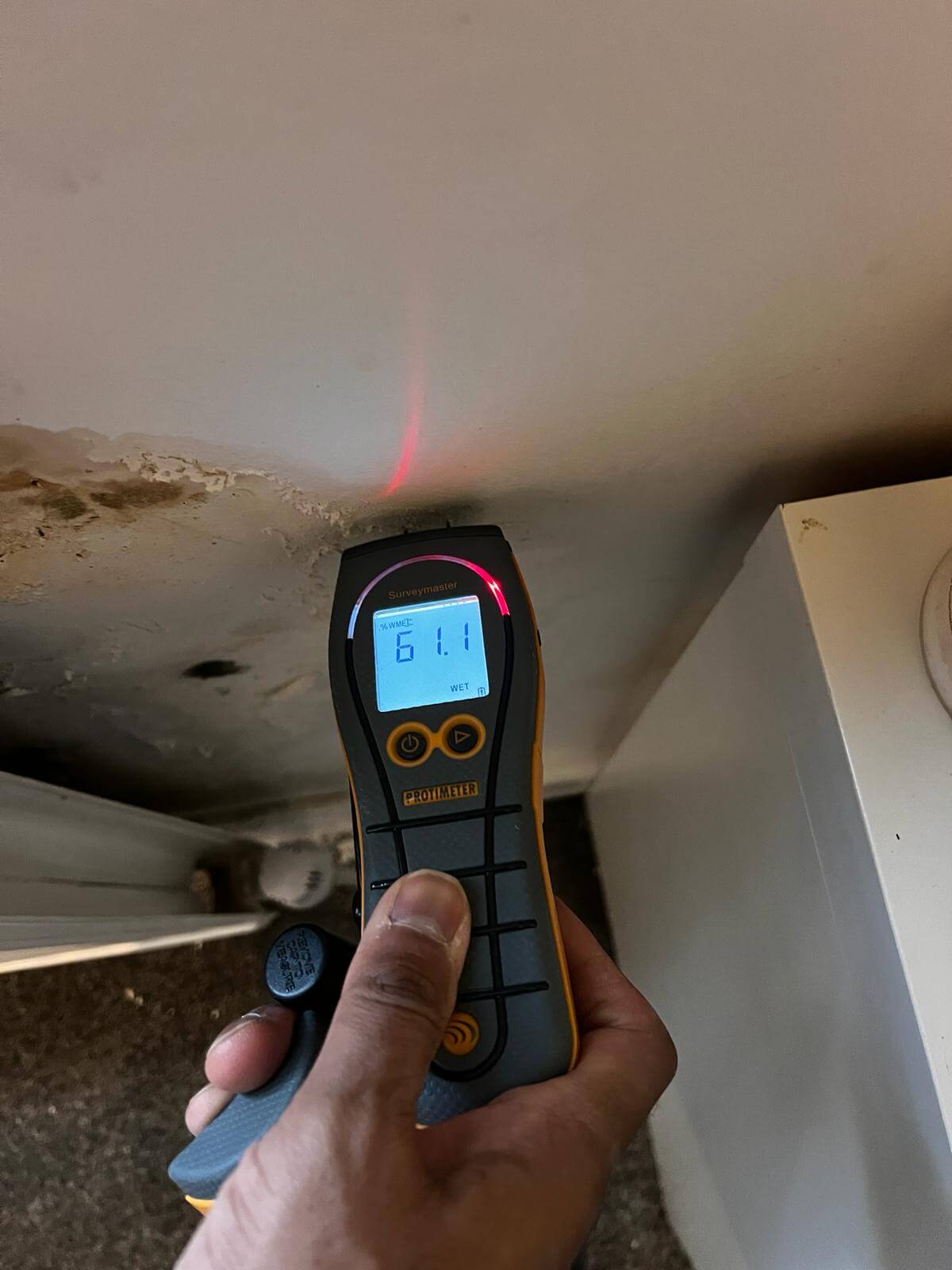
- Moisture readings using damp-meters on affected and neighbouring walls.
- Timber checks: skirtings, floorboards, structural timbers near damp zones.
- Historic issues: checking for prior remedial attempts, past leaks or poor repairs.
- Diagnosis & Report
- Identifying the likely source(s) of the penetrating damp.
- Explaining the extent of damage (current and potential future risk).
- Providing recommended remedial works (repairing the cause, protecting the fabric) plus approximate cost ranges and prioritisation.
- Offering advice on prevention, maintenance and long-term monitoring.
- Support & Next Steps
- We’ll discuss the report with you in plain language and answer your questions.
- If required, we can connect you with trusted specialist contractors for specific remedial work.
- We offer follow-up monitoring if you want assurance the problem is resolved.
Typical Signs You Might Have Penetrating Damp
Keep an eye out for:
- Damp patches appearing after rainfall or on higher walls, not just near the floor.
- Blistering or peeling of paint/plaster on walls opposite external elevations.
- Musty smells or mould growth even in rooms that appear well ventilated.
- External signs: damaged roof tiles/flashings, blocked gutters, spalled brickwork, missing mortar or cracked render.
- Timber decay or wet rot which may have resulted from ongoing moisture ingress.
How Much Does It Cost & How Long Does It Take?
While each property is unique, a thorough survey typically takes 2–4 hours depending on property size and complexity. Costs start from around £350 inc VAT.
Following the inspection you’ll receive the report within a few days. We’ll provide a quote upfront for the survey so there are no surprises.
Preventing Future Problems
Even after treatment it’s wise to:
- Keep gutters and downpipes clear.
- Maintain pointing, render and brickwork to prevent water penetration.
- Ensure ground levels remain below the damp-proof course and soil drainage is effective.
- Monitor and maintain window/door seals and ensure ventilation where required.
Because timely maintenance reduces the risk of major remedial works downstream.
Contact Us Today
If you suspect penetrating damp in your property in South Wales (Bridgend, Cardiff, Swansea, Newport or surrounding areas), don’t wait until the issue worsens. Contact us at The Veteran Survey Company for a professional penetrating damp survey, clear advice, and peace of mind.
Call now: 07427 206185
Email: theveteransurveycompany@gmail.com
Website: www.theveteransurveycompany.com